


LightRoom Presets
The Best Photo Editing Software in 2025: A Guide for Every Skill Level
Dec
Ready to make your photos look absolutely stunning but feeling overwhelmed by all the software options out there? We get it. Choosing the right photo editor can feel like a huge task, but it doesn’t have to be. We’ve cut through the noise to bring you the definitive guide to the best photo editing software in 2025.
In this guide, we’ll break down the absolute best choices for beginners, seasoned pros, and everyone in between. We’re not going to bore you with confusing technical jargon. Instead, we’ll focus on what you really want to achieve—whether that’s a quick, beautiful fix for your Instagram feed or a complete, gallery-worthy transformation of your favorite shots. Let’s find the perfect tool to unlock your creativity!
The Best Photo Editing Software: Our Top Picks for 2025
Here’s a quick summary of our top recommendations for every need. This table will help you see at a glance which software might be the best fit for you before we dive into the details.
| Software | Best For | Price Model | Skill Level |
|---|---|---|---|
| Adobe Lightroom | Overall Use & Organization | Subscription | Beginner to Pro |
| Adobe Photoshop | Ultimate Creative Control | Subscription | Intermediate to Pro |
| Capture One Pro | Professional Studio Work | Subscription or One-Time | Pro |
| Luminar Neo | AI-Powered, Fast Edits | Subscription or One-Time | Beginner to Intermediate |
| Affinity Photo | Subscription-Free Power | One-Time Purchase | Beginner to Pro |
For Most People & Best Overall: Adobe Lightroom
Adobe Lightroom is the king of photo editing for a reason. It offers the perfect blend of powerful, professional-grade editing tools and an incredibly intuitive photo organization system. If you shoot a lot of photos, Lightroom is a lifesaver for keeping everything tidy. It’s excellent for managing large photo libraries, batch editing hundreds of photos at once, and seamlessly syncing your edits between your desktop, mobile phone, and the web. It’s the one-stop shop for most photographers.
For Ultimate Creative Control: Adobe Photoshop
When you need to go beyond basic enhancements, you need Adobe Photoshop. It’s the undisputed industry standard for detailed retouching, mind-blowing composites, and advanced graphic design. Photoshop uses a layer-based system that gives you complete, non-destructive control over every single pixel. It’s the best choice when you need to remove objects, combine multiple images, or perform artistic manipulations that other programs simply can’t handle.
For Professional Photographers: Capture One Pro
For many professional photographers, Capture One Pro is the top choice, and for good reason. It is renowned for its superior RAW processing, which results in images with incredible detail and stunningly accurate colors right from the start. It also offers the best-in-class tethered shooting experience, allowing you to see your photos on a big screen in real-time as you shoot in a studio. With advanced layering and masking tools, it provides the precision that pros demand.
For AI-Powered, Fast Edits: Luminar Neo
Don’t have hours to spend editing? Luminar Neo is for you. This clever software uses the power of artificial intelligence to simplify complex and time-consuming tasks into a single click. Features like AI Sky Replacement, Portrait Background Removal, and automatic skin enhancement save you tons of time and effort. It’s the perfect tool for photographers who want creative, high-impact results without a steep learning curve.
For a Subscription-Free Alternative: Affinity Photo
If you dislike the idea of a monthly subscription, meet your new best friend: Affinity Photo. This is an incredibly powerful, full-featured editor available for a single, one-time purchase. It truly rivals Photoshop in its capabilities, offering robust RAW editing, layers, advanced retouching, and so much more. For budget-conscious photographers and designers who want professional tools without the ongoing cost, Affinity Photo is an unbeatable value.
How to Choose the Right Photo Editor for You
Don’t just pick the most popular tool; pick the right tool for your specific creative goals. Before you make a decision, take a moment to consider these three key factors. Answering these questions will point you directly to the software that’s perfect for you.
Factor 1: Your Skill Level and Time
Be honest about your current skill level and how much time you want to invest. If you’re a beginner, look for software with a simple, clean interface and plenty of helpful tutorials, like Lightroom or Luminar Neo. If you’re a pro who needs absolute precision and advanced tools, you’ll be right at home with the power of Photoshop or Capture One.
Factor 2: Your Budget
Your budget plays a big role in this decision. Subscription models, like the Adobe Creative Cloud, offer the benefit of constant updates with the latest features. On the other hand, one-time purchases like Affinity Photo can be much more cost-effective in the long run. And don’t forget about free options! Tools like GIMP and Darktable are surprisingly powerful, though they may require a bit more effort to learn.
Factor 3: Your Primary Goal
What do you want to accomplish with your photos? If your main goal is to organize your library and enhance your images with beautiful color and light, a workflow tool like Lightroom is your best bet. If you dream of creating surreal art, designing graphics, or performing deep image manipulation, you need a pixel editor like Photoshop. For quick, impressive results destined for social media, the AI tools in Luminar Neo can be a game-changer.
The Ultimate Shortcut: Pro Edits in a Single Click
Choosing the best software is only half the battle. Even with the right tools, achieving that professional, polished look can still take hours of practice and tweaking. But what if you could get those stunning results in seconds, without the steep learning curve?
Introducing Lightroom Presets: Your Secret Weapon
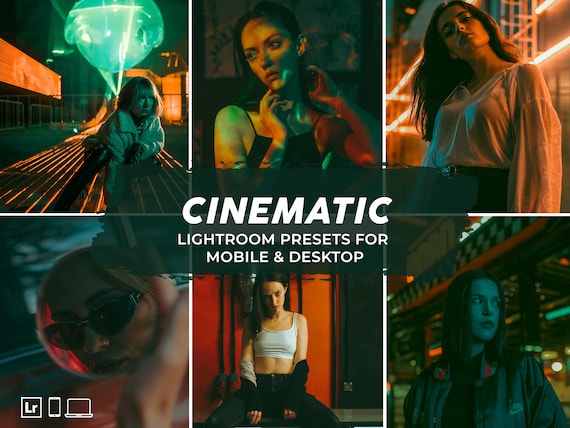
This is where the magic happens. Lightroom Presets are essentially one-click filters that instantly apply a full suite of professional settings to your photos. They are the ultimate shortcut to saving you hours of manual adjustments and creating a beautiful, consistent style across all your images. Presets are perfect for Instagram influencers, bloggers, small business owners, and anyone who wants to achieve a signature look with zero fuss. They are the fastest way to elevate your photos from ordinary to extraordinary. Ready to transform your photos? Shop our best-selling presets for Mobile & Desktop!
Frequently Asked Questions
What editing software do most professional photographers use?
Most professionals use a combination of Adobe Lightroom and Adobe Photoshop. Lightroom is used for organizing and culling thousands of photos and for performing 90% of the color and light adjustments. Photoshop is used for the final, detailed retouching, like removing blemishes or combining images.
Is Lightroom or Photoshop better for a beginner?
For a beginner, Adobe Lightroom is definitely the better starting point. Its interface is more straightforward and focused on photography. It teaches you the fundamentals of photo enhancement in a non-destructive way, which is a great habit to build. You can always add Photoshop to your skillset later when you need more advanced capabilities.
Can I get good results with free photo editing software?
Absolutely! Free software like GIMP, Darktable, or Photopea (a web-based editor) are incredibly powerful. They often have a steeper learning curve than paid software and may lack some of the polished, AI-driven features, but you can certainly achieve professional-quality results with them if you’re willing to put in the time to learn.
Do I need to shoot in RAW to edit my photos?
You don’t *need* to, but it’s highly recommended. A RAW file is like a digital negative; it contains all the original data captured by your camera’s sensor. This gives you far more flexibility when editing, especially when adjusting exposure, shadows, and highlights. JPEGs have already been processed and compressed in-camera, which limits your editing potential.
What is the difference between Lightroom and Lightroom Classic?
Lightroom Classic is the original desktop-focused version with more robust, professional features for local file management. The newer Lightroom (often called Lightroom CC) is a cloud-based ecosystem that syncs your photos and edits seamlessly across desktop, mobile, and web. For most beginners and hobbyists, the cloud-based Lightroom is simpler and more convenient.
Now that you’re armed with all the information you need, you can confidently choose the software that will best serve your creative journey. The most important step is to start creating. Select your tool, import your photos, and begin the fun process of bringing your vision to life. Find the perfect look! Explore our top-rated Lightroom Presets now.
